Cabinet Maker Box Hill South: Whole-Home Custom Cabinetry for Busy Family Homes
Properties across Box Hill South, Wattle Park, and the broader City of Whitehorse showcase a diverse mix of Melbourne architecture. Postwar weatherboards sit alongside mid-century brick veneers, modern rebuilds, and contemporary townhouses.
However, many of these classic floor plans were built for a different era of family living. Compartmentalised layouts, narrow hallways, awkward under-stair nooks, and cramped utility rooms leave growing families struggling with storage. While off-the-shelf furniture or flat-pack cupboards seem like quick fixes, they leave awkward gaps, require ugly filler panels, and fail to maximize floor-to-ceiling space. Custom joinery is designed specifically for your home’s unique dimensions.
📌 Key Takeaways for Box Hill South Homeowners
-
Custom vs. Modular: Modular cabinets use fixed widths that force filler panels and wasted dead space. Custom joinery is precision-manufactured to the millimeter, maximizing vertical storage and odd nooks.
-
Cohesive Whole-Home Aesthetics: Designing custom cabinets for your kitchen, laundry, and living spaces using matching timber veneers or polyurethane finishes creates visual harmony across the house.
-
Commercial-Grade Hardware: High-use family zones require heavy-duty soft-close runners (such as Blum or Hettich) capable of withstanding daily use without sagging or misaligning.
-
Health & Air Quality (Low VOC): Selecting E0/E1 low-formaldehyde board and non-toxic lacquers protects indoor air quality—crucial for children’s bedrooms and study nooks.
What Is the Difference Between Modular and Custom Cabinetry?
Off-the-shelf cabinetry comes in rigid, pre-set dimensions. If your kitchen wall is 3.4 metres wide and you install 600mm modular units, you are forced to sacrifice remaining space to filler strips or dust-gathering gaps.
Custom whole-home cabinetry manufactured by H&H Cabinets is built around your exact wall measurements, ceiling heights, and architectural features. Every millimetre of vertical space is utilized—turning an awkward under-stair nook into a built-in shoe wardrobe or creating floor-to-ceiling laundry cupboards that hide appliances completely out of sight.
Comparison: Modular/Flat-Pack vs. Custom H&H Joinery
| Feature / Attribute | Modular & Flat-Pack Cabinets | H&H Custom Cabinetry |
| Sizing & Fit | Fixed incremental widths (e.g., 300mm, 600mm) requiring filler strips. | Millimetre-precise, floor-to-ceiling manufacturing tailored to your room. |
| Hardware Durability | Standard entry-level hinges; prone to sagging under heavy load over time. | Commercial-grade, heavy-duty soft-close runners (e.g., Blum / Hettich). |
| Material Quality | Standard particleboard; vulnerable to moisture swelling in wet areas. | Highly moisture-resistant (HMR) board & low-VOC, E0/E1 eco-friendly substrates. |
| Design Flexibility | Limited color ranges, door styles, and stock internal configurations. | Complete freedom over timber veneers, polyurethane paint, handles, and lighting. |
| Resale Value | Standard cosmetic upgrade; prone to wear and tear over 3–5 years. | High-end architectural appeal that increases long-term home valuation. |
Room-by-Room Guide to Custom Cabinetry in Box Hill South
A whole-home joinery approach ensures materials, colors, and hardware flow seamlessly from room to room. Here is how custom cabinets transform key living zones:
1. The Kitchen: The Hub of Family Life
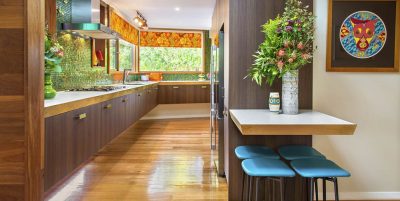
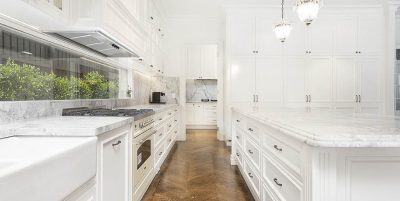
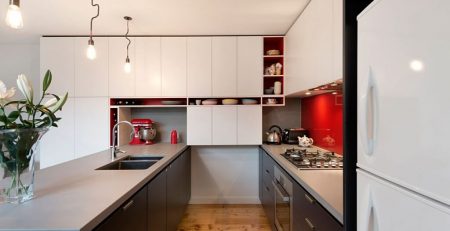
Custom kitchen cabinets streamline meal preparation and keep clutter off your benchtops. A tailored layout optimizes the work triangle (fridge, sink, cooktop), incorporates appliance cupboards with internal power points for hidden coffee stations, and adds a multi-functional island bench with built-in storage drawers and breakfast bar seating.
2. The Laundry: High-Density Vertical Storage
Often overlooked, the laundry works overtime in a busy household. Custom laundry cabinets convert cramped utility zones into organized spaces featuring:
-
Floor-to-ceiling tall cupboards for ironing boards, mops, and stick vacuums.
-
Integrated pull-out dirty linen hampers right under the benchtop.
-
Overhead cupboards with under-cabinet task lighting to maximize counter space.
3. Living Areas: Integrated Media Units & Display Shelving
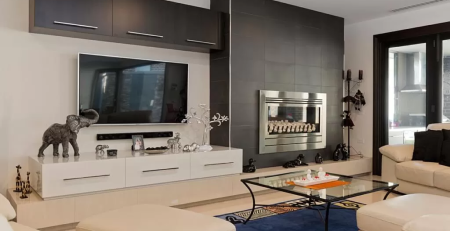
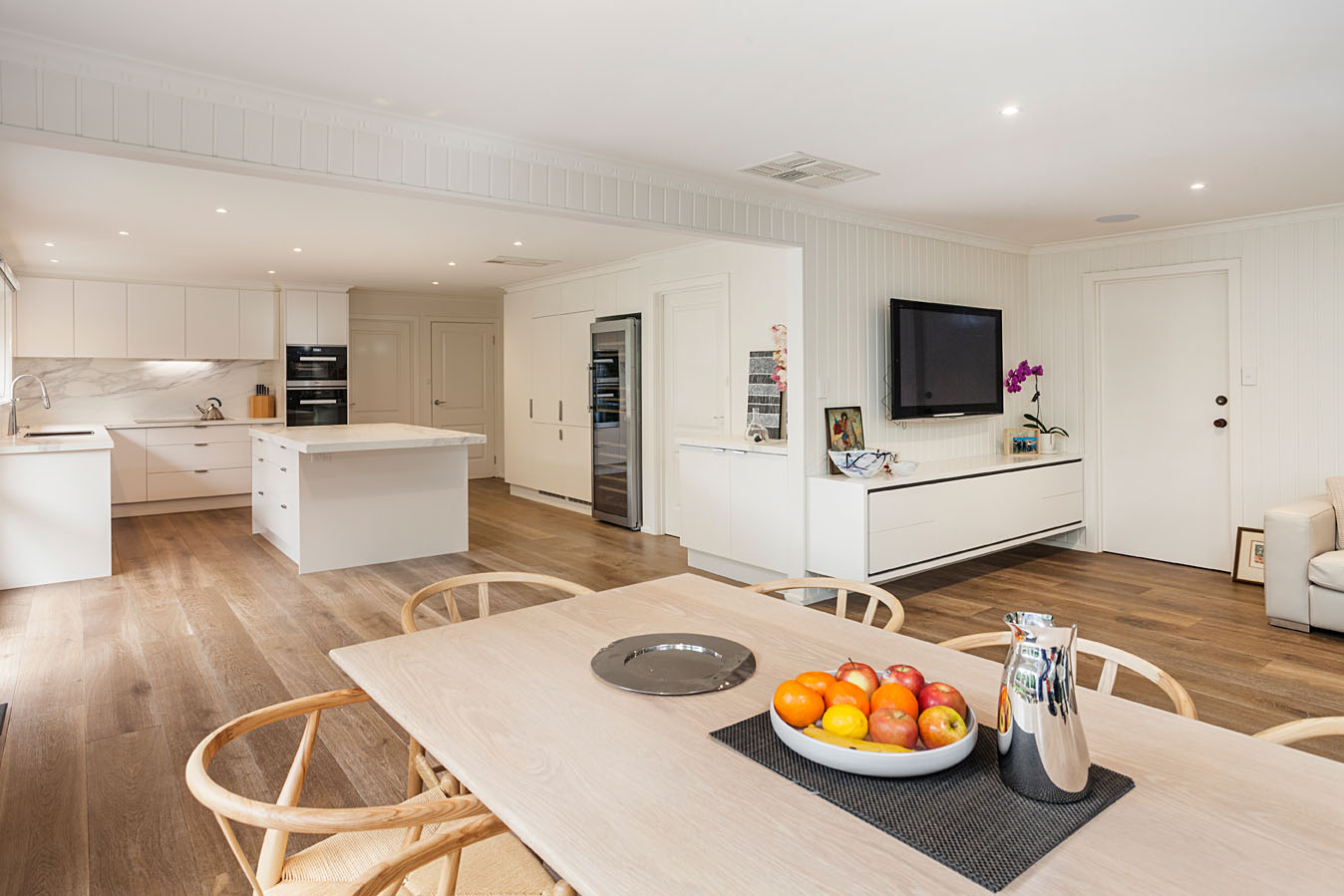
Custom living room cabinets eliminate messy TV cables and overflowing toy boxes. Floating media consoles, hidden push-to-open toy storage, and integrated display shelving with accent LED strip lighting turn your main lounge into a relaxed, clutter-free space.
💡 Planning a Renovation in Box Hill South or Eastern Suburbs?
Bring your floor plans or ideas to our design team. We create custom 3D joinery concepts tailored to your home’s layout and family budget.
👉 Book a Design Consultation with H&H Cabinets or call us on (03) 9808 4200.
4. Home Offices & Study Nooks
With hybrid work now standard, a dedicated workspace is essential. Custom home office cabinets allow you to tuck a fully equipped workstation into a hallway nook or spare corner. Bi-fold pocket doors allow you to close away monitors, printers, and paperwork at the end of the workday.
5. Bedrooms: Tailored Built-In Wardrobes
Standard wardrobes rarely make full use of vertical ceiling height. Tailored built-in wardrobes maximize every inch with adjustable hanging rails, soft-close velvet-lined jewelry drawers, shoe racks, and integrated sensor LED lighting that activates when doors open.
6. Bathrooms & Ensuites: Floating Vanities
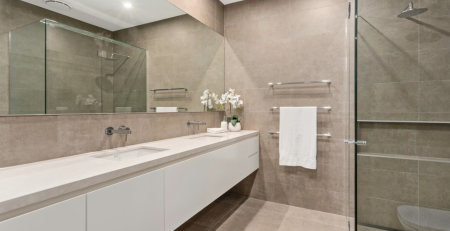
Moisture resistance is critical in wet zones. Custom bathroom cabinets feature wall-hung floating vanities crafted from High Moisture Resistance (HMR) substrates. Elevating vanities off the floor creates an illusion of space, makes floor cleaning effortless, and protects cabinetry bases from pooling water.
Materials, Low VOCs, and Indoor Air Quality
When installing new joinery in a family home, what lies beneath the surface matters. Off-the-shelf imported flat-pack items can off-gas volatile organic compounds (VOCs) and formaldehyde into your living environment.
At H&H Cabinets, we prioritize E0 and E1 low-formaldehyde engineered boards combined with low-VOC polyurethane finishes and water-based adhesives. This protects indoor air quality—providing peace of mind for kids’ bedrooms, nurseries, and enclosed study areas.
Why Choose H&H Cabinets as Your Box Hill South Cabinet Maker?
For over 50 years, H&H Cabinets has designed, manufactured, and installed premium custom joinery across Box Hill South, Mount Waverley, Balwyn, and Melbourne’s eastern suburbs.
-
In-House Melbourne Manufacturing: We do not rely on flat-pack imports. Everything is custom-made in our local facility.
-
Turnkey Design Service: From 3D CAD design renderings to precise site installation, our qualified cabinet makers manage the entire project.
-
Premium Hardware Guarantees: We exclusively utilize commercial-grade, soft-close hardware backed by lifetime manufacturer warranties.
🛠️ Ready to Transform Your Home with Custom Cabinetry?
Explore our Case Studies to see recent projects across Melbourne, or contact our team today to get started.
📞 Call (03) 9808 4200 or Request a Quote Online.
About H&H Cabinets
H&H Cabinets is a leading custom cabinet maker and joinery specialist based in Melbourne. Specializing in complete kitchen renovations, custom laundries, bathroom vanities, home offices, and wall units, H&H Cabinets combines traditional craftsmanship with state-of-the-art manufacturing technology.